
Force Gauge & Load Cell Calibration in Oxnard, CA

QSI calibrates force gauges, load cells, tension meters, wire pull testers, and other force-measuring equipment at our ISO/IEC 17025 accredited calibration laboratory in Oxnard, California. Ship handheld gauges and portable instruments to our lab from anywhere in the U.S., or ask about on-site service in Ventura County, Santa Barbara County, the Santa Clarita Valley, and Los Angeles. Every calibration includes a certificate documenting your instrument's results, ready for your next audit.

Force Equipment We Calibrate

  • Cable Tension Meters

  • Dynamometers

  • Force Gages

  • Hanging Scales

  • Load Cells

  • Strain Gages

  • Tension Meters

  • Wire Pull Testers

Don't see your equipment listed? Contact us for a custom quote.

Force Gauge Calibration

Handheld force gauges measure push and pull forces in product testing, such as how hard a button presses, how much force it takes to insert or remove a connector, or how strong a spring is. They take a beating in the process. Overloading a gauge past its capacity, even briefly, can permanently shift its readings, and so can a drop onto a hard floor.

Calibration applies known forces across the gauge's range and documents how accurately it reads them. Gauges used to measure both pushing (compression) and pulling (tension) should be calibrated in both directions, since a gauge can be accurate one way and off the other.

Load Cell Calibration

Load cells are the sensors inside test machines, presses, test stands, and weighing systems. Because they're built into larger equipment, their drift is easy to miss. Overloads, fatigue from repeated cycles, moisture, and temperature changes can all shift their output while the system keeps running normally. Calibrating the load cell, typically together with the indicator or display it reports to, confirms the forces your equipment reports are the forces actually being applied.

Wire Pull Tester Calibration

Wire pull testers verify crimp quality by pulling on crimped terminals until they meet a required force or fail. Workmanship standards for wire harnesses and cable assemblies, such as IPC/WHMA-A-620, specify minimum pull-force values for crimped connections. If a pull tester reads high, weak crimps can pass inspection and end up in finished assemblies. Regular calibration keeps your crimp testing results trustworthy.

Who Relies on Force Calibration


Force measurement shows up throughout QSI's service area, especially in the region's aerospace, defense, and medical device industries:

Aerospace and defense: cable tension meters for control cable rigging, wire harness pull testing, and assembly force checks

Medical device manufacturing: force testing on devices and packaging under ISO 13485 quality systems

Electronics manufacturing: connector insertion and withdrawal testing, plus crimp pull testing

General manufacturing: presses, test stands, and in-process force checks

Testing and research labs: load cells and test machines used to generate data that has to hold up
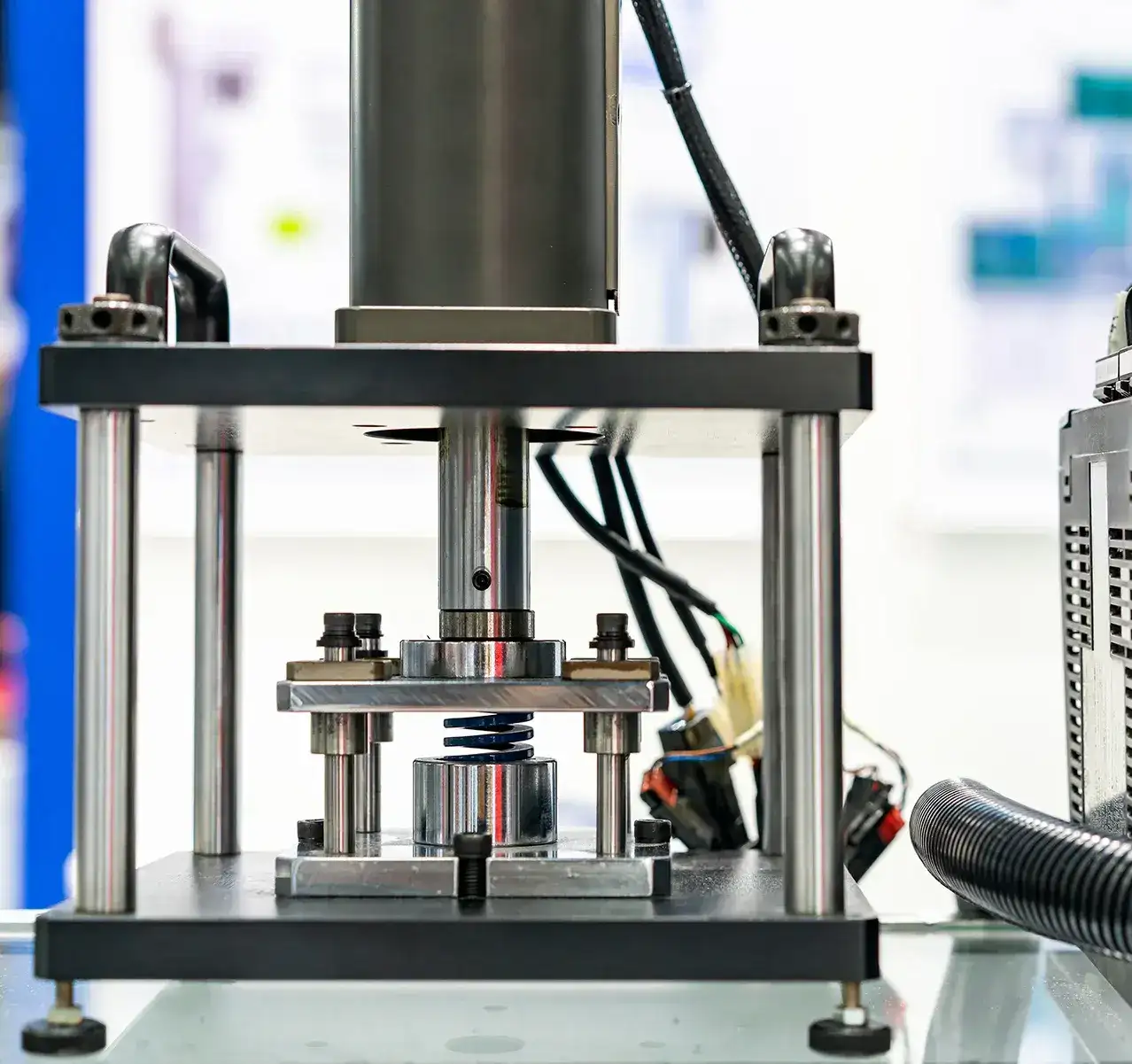
Force & Load Cell Calibration

Frequently Asked Questions