
Torque Wrench Calibration in Oxnard, CA
QSI calibrates torque wrenches, torque drivers, torque watches, and torque analyzers at our ISO/IEC 17025 accredited calibration laboratory in Oxnard, California. We calibrate torque wrenches and drivers from 5 lbf·in to 250 lbf·ft (about 0.6 to 339 N·m). Ship your tools to our lab from anywhere in the U.S., or schedule on-site calibration in Ventura County, Santa Barbara County, the Santa Clarita Valley, and Los Angeles.
Torque Equipment We Calibrate
-
Torque Wrenches
-
Torque Drivers
-
Torque Watches
-
Torque Analyzers
Don't see your torque equipment listed? Contact us for a custom quote.
Torque Wrench and Torque Driver Calibration
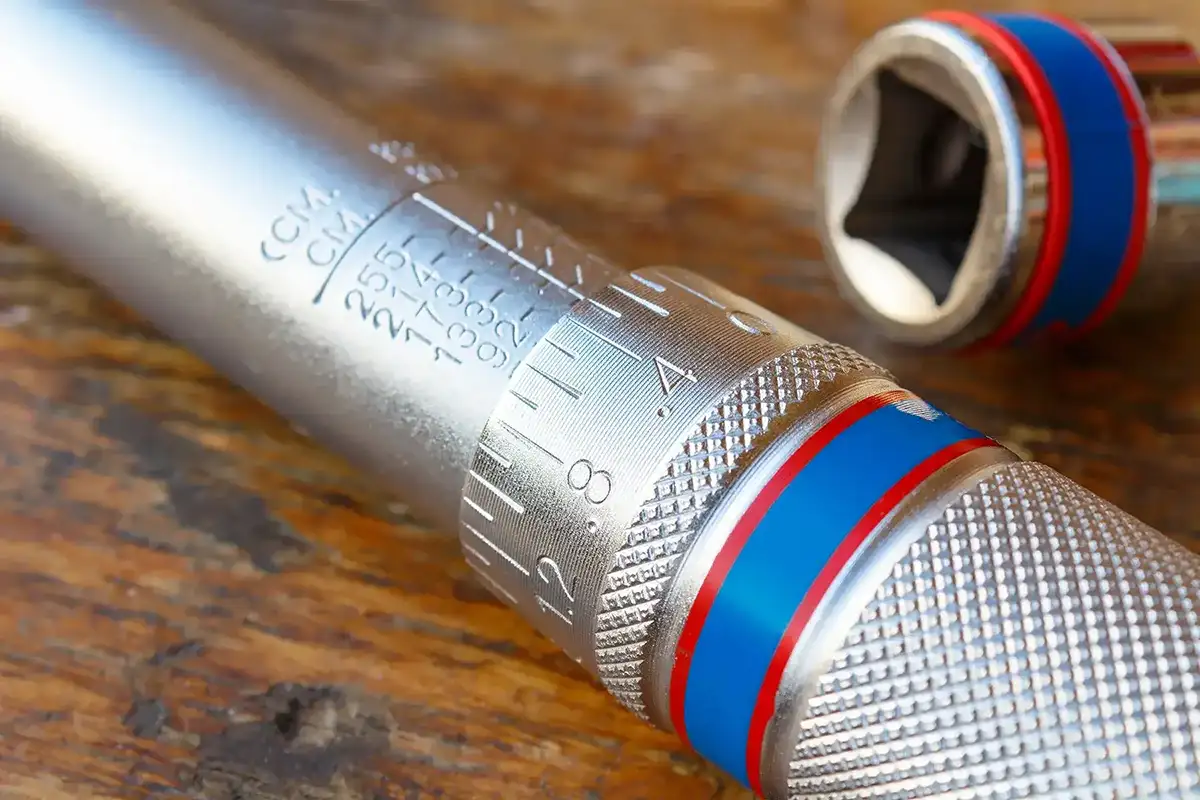
A torque wrench is only as good as the spring or sensor inside it, and those wear with every use. Click-type wrenches lose accuracy as their springs fatigue, especially when stored at a high setting. Drops, overloading, and using a torque wrench to break loose stuck fasteners can all shift readings. Since a wrench can still click reliably while applying the wrong torque, there's no way to spot drift without testing it.
Calibration measures the torque your wrench or driver actually applies at points across its range, typically at 20%, 60%, and 100% of full scale, and documents how closely each reading matches its setting.
Torque Watches and Torque Analyzers
Torque watches are dial instruments for measuring torque directly, often used to check closure torque on caps and containers or to audit fasteners that are already tightened. Torque analyzers are the testers many shops use to check their own wrenches and drivers between calibrations. If an analyzer reads incorrectly, every tool checked against it inherits the error, so these instruments need regular calibration of their own.
Who Relies on Torque Calibration
Correct torque is critical across QSI's service area, especially in the region's aerospace, defense, and medical device industries.
Aerospace and defense: fastener torque on aircraft, vehicles, and military equipment, where specifications are strict and documented
Electronics and RF: small preset torque wrenches for RF connectors, and torque drivers for fastening on circuit assemblies
Medical device manufacturing: torque drivers in assembly and torque watches for closure testing, under ISO 13485 quality systems
Automotive: engine, chassis, and wheel fasteners with tight torque specifications
General manufacturing: assembly lines where consistent torque drives consistent quality
Frequently Asked Questions
-
How often should torque wrenches be calibrated?
Common guidance, including the ISO 6789 standard, is to calibrate torque wrenches every 12 months or 5,000 cycles, whichever comes first. Wrenches that are dropped, overloaded, or used heavily may need calibration sooner.
-
Should I store my click torque wrench at its lowest setting?
Yes. Storing a click-type wrench at a high setting keeps its spring compressed, which speeds up spring fatigue and drift. Most manufacturers recommend backing it off to the lowest marked setting after use, but not below it.
-
What torque range can QSI calibrate?
QSI calibrates torque wrenches and torque drivers from 5 lbf·in to 250 lbf·ft, or about 0.6 to 339 N·m.
-
Can I mail in my torque wrenches for calibration?
Yes. QSI accepts mail-in calibration from anywhere in the United States. Ship your torque wrenches and other portable instruments to our Oxnard lab, and we'll return them with your calibration certificate.
-
Is QSI an accredited calibration lab?
Yes. QSI is an ISO/IEC 17025 accredited calibration laboratory, accredited by ANAB (certificate AC-3452). You can view our full scope of accreditation.
Request a Calibration Quote from QSI
-
ISO/IEC 17025 accredited calibration laboratory
-
Compliant certificates with traceable data, ready for your next audit.
-
Send us your equipment list for a clear, itemized quote
-
Nationwide mail-in calibration, or on-site service across Ventura County and surrounding counties